
Rare disorders of de novo purine synthesis: from diagnosis and disease mechanisms to therapy development
Marie Zikánová leads the Purine Research Group at the First Faculty of Medicine, Charles University in Prague. Her research focuses on rare inherited disorders of purine metabolism, particularly defects of de novo purine synthesis (DNPS), including ADSL deficiency.
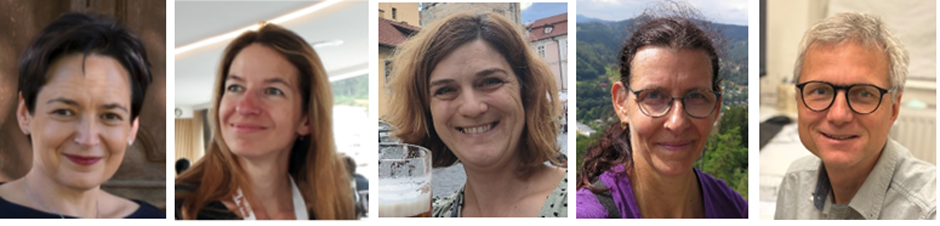
Group members
|
Marie Zikánová Group leader |
Václava Škopová Biochemical and |
Veronika Barešová Cell biology |
Alena Forejtová Functional |
Robert Dobrovolný iPSC models |
Our research combines biochemical and genetic diagnostics, metabolomics, genomic and transcriptomic analyses, functional studies in patient-derived cells and disease models. We also develop experimental therapies. Our goal is to understand the molecular mechanisms of these disorders and apply this knowledge to improve diagnostics and treatment.
Research focus
|
From diagnosis to therapy – ADSL deficiencyADSL deficiency is our longest research program. Our group has been involved in the diagnosis and investigation of ADSL deficiency for more than three decades. We combine genetic analysis with biochemical characterization of purine metabolites and functional analysis of ADSL activity. We have established patient-derived cellular models and CRISPR/Cas9-based models that allow us to investigate the consequences of ADSL deficiency at the cellular and metabolic level. Our current research focuses on therapy development, including AAV-mediated ADSL replacement. Development and phenotyping of the ADSL-deficient mouse model and AAV therapy are carried out in collaboration with the Czech Centre for Phenogenomics (CCP). |
Research resources and collaborationWe collaborate with clinical and research groups worldwide to investigate patients with suspected disorders of purine metabolism. Our laboratory provides specialized biochemical and functional analyses, including metabolomic profiling, enzyme assays and functional characterization of novel genetic variants. We also perform genetic, genomic and transcriptomic analyses, including whole-exome sequencing (WES), whole-genome sequencing (WGS) and RNA sequencing (RNA-seq). The team has direct access to the National Center for Medical Genomics (NCMG), providing additional genomic and transcriptomic capabilities, and to the MULTIOMICS platform, integrating genomics, transcriptomics, proteomics and metabolomics. Through research collaboration or commercially, we provide SAdo, SAICAr, SAICAR, SAMP and their isotopically labeled analogues. |
Research highlights
|
PublicationsOur research is published in peer-reviewed journals covering inherited metabolic disorders, purine metabolism, molecular genetics, metabolomics and disease mechanisms. Marie Zikanova – publications on PubMed |
Patients and familiesWe work closely with clinicians, patients and patient organizations and support international collaboration in these ultra-rare disorders. For ADSL deficiency, we collaborate with the Rare Birds Foundation, helping to connect our research with the patient and family perspective and supporting international collaboration within the ADSL community. |